


-

Add: HeBei ShengShi HongBang Cellulose Technology CO.,LTD.
-

Email
13180486930@163.com -

CONTACT US
+86 13180486930



The world of hair care is evolving, with consumers seeking products that not only meet aesthetic desires but also promote overall hair health. One such innovative ingredient that stands out in the hair care market is hydroxypropyl starch phosphate, a modified starch that serves as an exceptional conditioning agent. This article delves into its multifaceted benefits, applications, and why it is gaining traction among hair care enthusiasts and professionals. Hydroxypropyl starch phosphate is derived from natural starch, typically sourced from corn or potatoes. This ingredient undergoes a modification process, which enhances its properties, making it particularly suitable for hair care applications. By altering the starch’s molecular structure, it becomes an effective film-former and stabilizer, endowing hair products with improved texture and performance. From a professional standpoint, hydroxypropyl starch phosphate is praised for its conditioning benefits . It effectively smooths the hair shaft, reducing frizz and enhancing shine. This is achieved by forming a thin film over the hair strands, which not only protects the hair from external aggressors but also locks in moisture. Unlike some synthetic polymers traditionally used in hair care, this modified starch is biodegradable, presenting an eco-friendly alternative that aligns with the growing consumer demand for sustainable beauty solutions. Hair health experts emphasize the importance of hydration and protection in maintaining vibrant hair. Hydroxypropyl starch phosphate contributes to these aspects by preventing moisture loss and shielding hair from thermal damage. Its ability to withstand high temperatures without breaking down makes it an excellent ingredient for products aimed at thermal protection, such as heat protectants and leave-in conditioners. Scientific studies and real-life testimonials corroborate the efficacy of hydroxypropyl starch phosphate in enhancing hair manageability. Users have reported noticeably softer and more manageable hair with continued use of products containing this ingredient. Furthermore, because it is derived from natural sources, it is gentle enough for daily use across various hair types, including chemically treated and sensitive scalps. hydroxypropyl starch phosphate hair In terms of professional formulations, hydroxypropyl starch phosphate’s versatility cannot be overstated. It seamlessly integrates into a wide range of hair care products, from shampoos and conditioners to styling creams and gels. Its compatibility with other common cosmetic ingredients ensures that product efficacy is not compromised, making it a preferred choice for formulators striving to create holistic hair care solutions. Trust and transparency are pivotal in today’s consumer landscape. As a naturally derived ingredient, hydroxypropyl starch phosphate offers a trustworthy option for brands and consumers alike. Its safety profile bolstered by regulatory approvals in major markets, assures users of its quality and efficacy. Additionally, its application in hair care represents a bridge between nature and science, exemplifying how innovative technology can enhance natural ingredients to meet modern beauty standards. Authoritative voices in the beauty industry have recognized hydroxypropyl starch phosphate for its superior benefits compared to traditional conditioning agents. Publications in cosmetic science journals highlight its multifaceted nature, underscoring its crucial role in developing advanced hair care products that cater to a diverse audience with varying hair care needs. For consumers and beauty professionals seeking a reliable, effective, and sustainable ingredient in hair care, hydroxypropyl starch phosphate presents a compelling option. Its ability to deliver consistent performance without compromising on safety makes it a standout choice in an industry where consumers are increasingly mindful of ingredient sourcing and environmental impact. As the quest for healthier, more sustainable hair care options continues, hydroxypropyl starch phosphate represents a step forward. By merging efficacy with environmental responsibility, it embodies the future of hair care, with promising potential for innovation. This ingredient is not just a solution for today’s consumers but a benchmark for tomorrow’s hair care formulations.
- 40000tons

Production
- 20+years

Experience
- 5000+㎡

Acreage

-
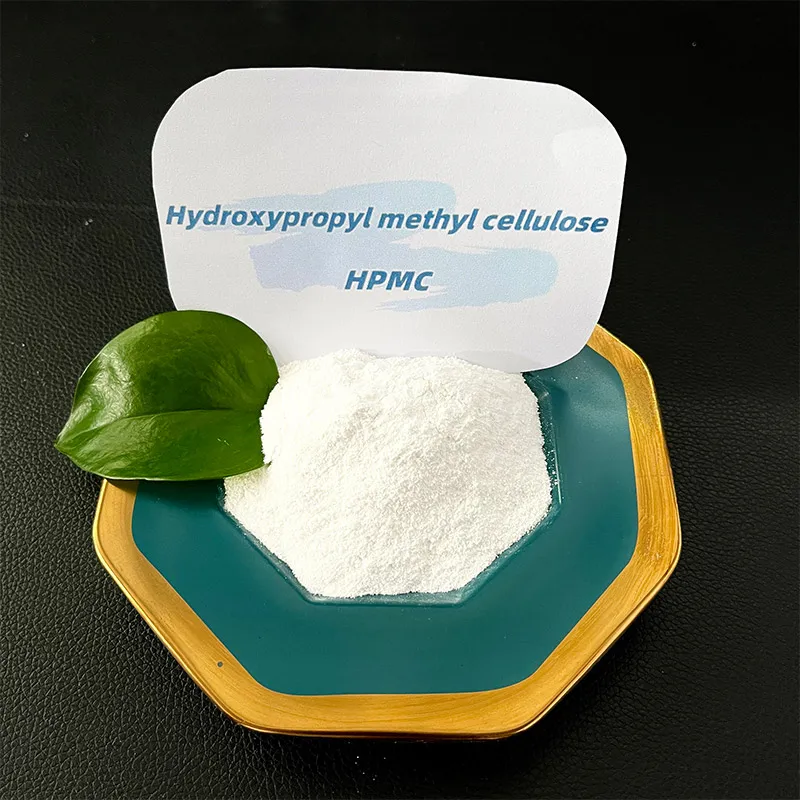
L’idrossipropilmetilcellulosa (HPMC) è un composto polimerico che trova un ampio utilizzo in diversi settori industriali grazie alle sue proprietà uniche. Questo articolo esplora le applicazioni e i benefici dell'HPMC focalizzandosi su come queste caratteristiche siano sfruttate nel mercato italiano e globale. L’HPMC è un etere di cellulosa ampiamente utilizzato nei prodotti farmaceutici, cosmetici e alimentari. Le sue proprietà principali includono la capacità di formare gel idrosolubili, viscosità regolabile, e stabilità termica, tutte caratteristiche che lo rendono un ingrediente versatile in molte formulazioni. Nel settore farmaceutico, l’HPMC è utilizzato prevalentemente come eccipiente nei farmaci a rilascio controllato e come agente di rivestimento per compresse. La sua capacità di regolare la dissoluzione del farmaco lo rende particolarmente utile per garantire l'efficacia terapeutica e migliorare la compliance del paziente. In Italia, l’uso di HPMC nei cosmetici è cresciuto notevolmente , grazie alla tendenza verso prodotti più naturali e sicuri per la pelle. L'HPMC, essendo un derivato della cellulosa, è considerato un ingrediente non tossico e biocompatibile, ideale per formulazioni cosmetiche che richiedono stabilità e texture piacevoli senza l’uso di prodotti chimici aggressivi. Viene impiegato come addensante in creme e lozioni, migliorando la texture senza compromettere l'assorbimento di altri elementi nutritivi nella pelle. Nel campo alimentare, l'HPMC è utilizzato come additivo alimentare (E464) grazie alla sua capacità di formare gel e emulsionare. È spesso impiegato nei prodotti senza glutine per migliorare la consistenza e la durata di conservazione del prodotto. La crescente domanda di prodotti senza glutine e a base vegetale ha spinto molte aziende alimentari italiane a incorporare l’HPMC nelle loro linee di prodotti, rispondendo alle esigenze di un mercato in evoluzione e più consapevole dal punto di vista nutrizionale. HPMC è Una delle aree emergenti dell'impiego di HPMC è nell'industria delle costruzioni, dove è utilizzato come additivo nei cementi e nelle malte per migliorare le proprietà di lavorabilità e adesione. Questo aspetto è particolarmente rilevante in Italia, dove l’industria edile continua a richiedere materiali che possano resistere bene a climi variabili ma che siano anche ecologicamente sostenibili. L’affidabilità e la versatilità dell’HPMC la rendono una scelta preferita in varie applicazioni. Gli esperti del settore riconoscono l'autorità delle sue applicazioni industriali, che sono basate su prove empiriche e su un lungo periodo di utilizzo documentato. La reputazione dell'HPMC come ingrediente sicuro ed efficace è anche sostenuta da istituti di ricerca e normative internazionali, fornendo un ulteriore livello di fiducia e autorità ai produttori che scelgono di utilizzarlo. In conclusione, l’idrossipropilmetilcellulosa rappresenta un ingrediente chiave per molti settori, grazie alla sua versatilità e sicurezza. Le aziende in Italia e nel mondo che adottano l'HPMC come parte delle loro strategie di produzione possono non solo migliorare la qualità dei loro prodotti ma anche rispondere alle crescenti richieste del mercato per opzioni più naturali e sostenibili. L'adattamento e l'innovazione continuano a guidare l'uso dell'HPMC, sottolineando la sua importanza nel panorama industriale moderno.
-
As industries evolve, innovative materials like chlorinated rubber powder are revolutionizing manufacturing processes and product development. From coatings to gloves, this versatile material ensures durability, flexibility, and enhanced performance across applications. Understanding how rubber powder price and related technologies impact your business is key to staying ahead. The Role of Rubber Powder Price in Industry Growth The rubber powder price plays a crucial role in determining the accessibility and profitability of various industrial applications. As a cost-effective material, chlorinated rubber powder is widely used in manufacturing paints, coatings, and adhesives. Its resistance to water, chemicals, and abrasion ensures long-lasting performance, making it a staple for industries like construction, automotive, and marine. Monitoring fluctuations in the rubber powder price is essential for manufacturers aiming to maintain competitive pricing while ensuring product quality. Bulk purchases and advances in production techniques have made this material more affordable, enabling small and large-scale businesses to benefit from its remarkable properties. Chlorinated Rubber Powder: A Game-Changer in Coatings One of the standout applications of chlorinated rubber powder is in the development of high-performance coatings. Its exceptional resistance to chemicals and harsh environments makes it a preferred choice for industrial and marine coatings. These coatings protect structures from corrosion, extending their lifespan and reducing maintenance costs. In addition to durability, chlorinated rubber powder enhances the adhesion of coatings to various surfaces, including metals and concrete. This versatility allows industries to tackle challenges posed by extreme weather conditions or heavy industrial use. With its cost-to-performance ratio closely linked to the rubber powder price , businesses can achieve premium finishes without exceeding budget constraints. Rubber Accelerator Free Gloves: Ensuring Safety and Comfort The demand for rubber accelerator free gloves is growing, driven by the need for hypoallergenic and environmentally friendly alternatives. These gloves, free from chemical accelerators, are safer for individuals with sensitive skin or allergies, making them ideal for healthcare, food handling, and industrial use. Chlorinated rubber powder contributes to the production of these innovative gloves by enhancing their flexibility and durability. Unlike traditional gloves, which may degrade quickly or cause discomfort, those made with rubber accelerator free gloves technology provide exceptional protection and comfort. This breakthrough not only supports worker safety but also aligns with global efforts toward sustainable manufacturing practices. Balancing Quality and Cost with Rubber Powder Price For manufacturers, balancing quality and cost is a constant challenge. By leveraging the benefits of chlorinated rubber powder , businesses can optimize product performance while maintaining competitive pricing. The rubber powder price is influenced by factors like raw material availability, production efficiency, and market demand. To remain competitive, many industries are adopting advanced technologies that improve the cost-efficiency of chlorinated rubber powder production. Innovations in recycling and sustainable sourcing have also contributed to stabilizing the rubber powder price , making it accessible for a broader range of applications. Elevate Your Products with Chlorinated Rubber Powder Whether you’re in the coatings, automotive, or safety equipment industry, chlorinated rubber powder offers unparalleled advantages. Its resistance to harsh conditions, compatibility with various materials, and cost-effectiveness tied to the rubber powder price make it an indispensable material for innovation. Additionally, the rise of rubber accelerator free gloves showcases how this material is driving progress in safety and environmental responsibility. By incorporating chlorinated rubber powder into your processes, you can enhance product quality, meet customer expectations, and contribute to a more sustainable future.
advantages
-

200000 Viscosities
Excellent product
We can produce pure products up to 200,000 viscosities
-

40000 tons
High yield
We don’t stop production all year round, and the annual output can reach 40,000 tons
-

24 hours
Quality service
We provide 24-hours online reception service, welcome to consult at any time
———— Inquiry Form
Schedule A services


-
 ether_d_amidon_dans_la_colle_a_carrelage
Oct . 25, 2025
The Versatile Uses of Crumb Rubber Powder Crumb rubber powder, a product derived from the recycling - nylon_is_man_made_fibre
Oct . 25, 2025
Kizuia Jasi Embracing Resilience and Strength In a world fraught with challenges, the concept of Kiz -
 hydroxyethyl_starch_130_0_point_4
Oct . 25, 2025
Hydroxypropyl Methylcellulose (HPMC), widely recognized in industrial and pharmaceutical sectors, ha


